Doani Sider Honey: A Valley in Hadramout and a Name Often Borrowed
November 1, 2026 · The3Beez
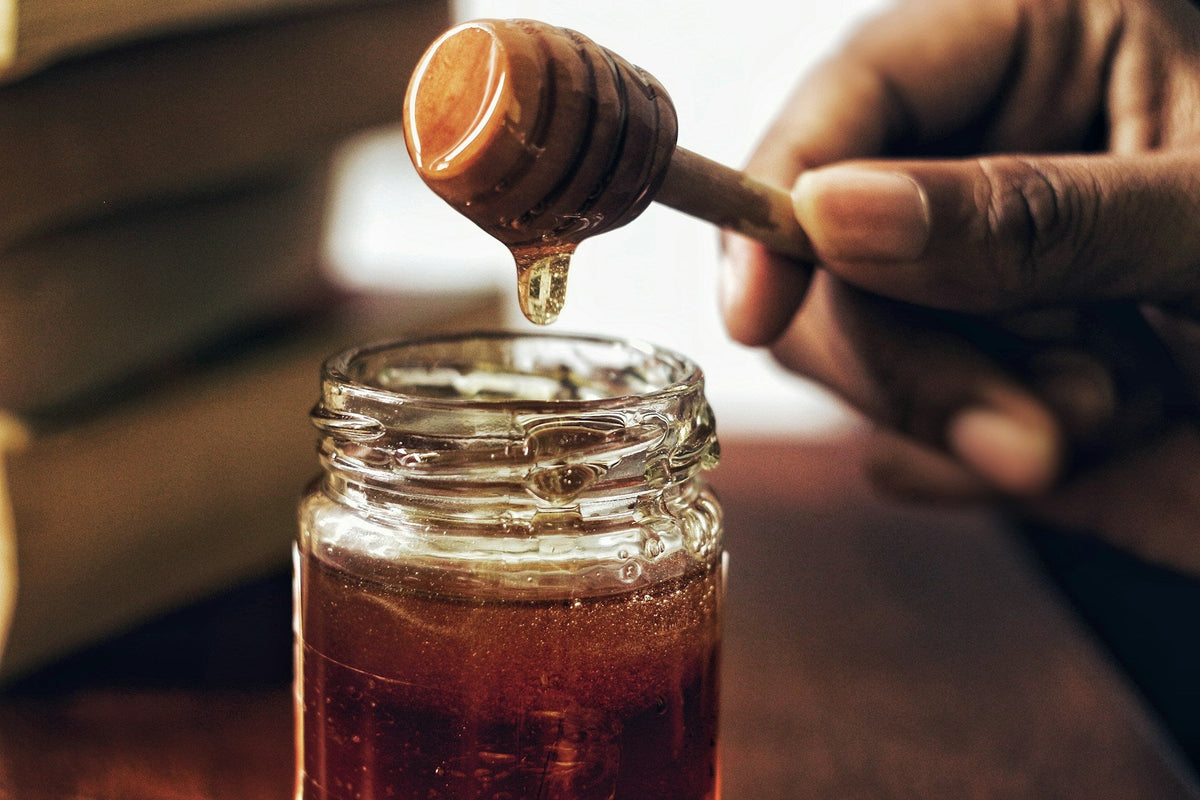
Doani Sider honey is one of the best-known honeys in the Gulf and has been part of hospitality tables for generations. But the word "Doani" on a jar is not a mark of quality. It is the name of a place, and understanding that is the first step to buying the real thing.
Where does it come from?
From Wadi Do'an in Hadramout, Yemen: a valley ringed by towering sandstone cliffs where Sider trees grow. A report published in Saudi Aramco World in 1995 described generations of the valley's beekeepers perfecting their craft for at least a thousand years, and called the winter Sider honey "the cream" of what they make.
What sets it apart?
- The tree: thorny Sider of the genus Ziziphus, in Yemen best known as Ziziphus spina-christi. We explain Sider botany and what "monofloral" means in Sider honey: the botany.
- The texture: thick and rich, flowing slowly.
- Flavour and aroma: a deep Sider flavour and a strong scent you notice from the first spoon.
Why is the name borrowed so often?
Because fame and a high price tempt sellers to put the name on honey that never came near the valley. The same report noted, thirty years ago, that some bees were being fed sugar syrup and cheap imported honey to raise yields. Since "Doani" is a place, the deciding question is always: can the seller show the honey came from there?
What to ask before you buy
- Is the source written clearly: Wadi Do'an, Hadramout?
- Is it one ingredient, not blended with other honeys?
- Was it tested in a laboratory, and is it unheated?
For the full picture on checking honey, read our guide How to tell natural honey.
How it is served
- A spoon first thing in the morning.
- With Arabic coffee and dates, as the Gulf has served it for generations.
- With warm tea, not very hot.
Yemeni honeys from The3Beez
- Doani Sider honey: from Wadi Do'an in Hadramout, one ingredient with nothing added.
- Osaimi Sider honey: from Wadi Al-Osaimat in Amran, unheated and unpasteurised.
- Osaimi wildflower honey: Yemeni wildflower honey from Amran.